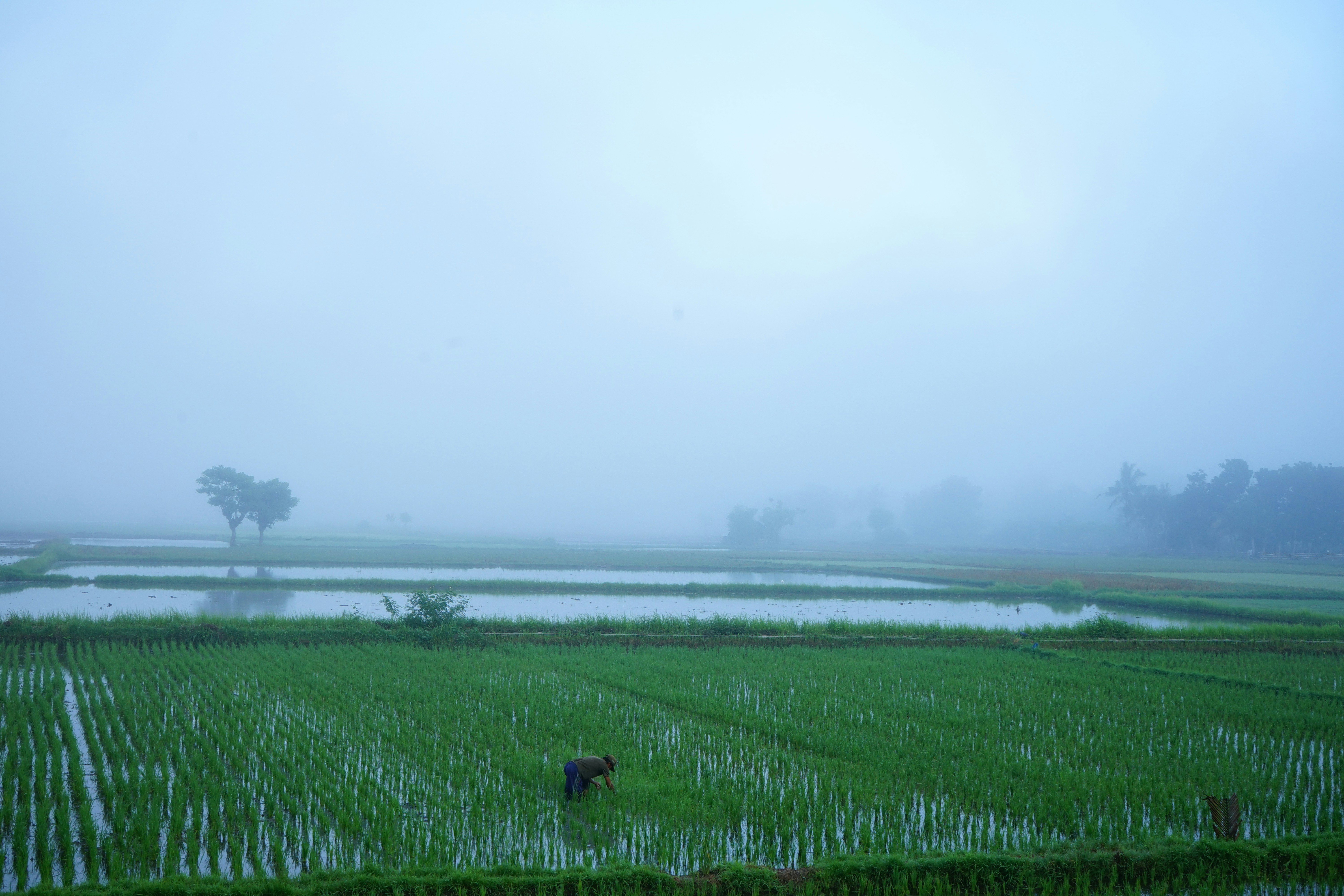
Grown in the ground.
Cut this morning.
Hand-harvested lemongrass — bundled still wet with dew,
dispatched same day to kitchens, labs, and apothecaries.
From rhizome to dispatch — one continuous story
Every case we ship took twenty weeks to become what it is. Scroll through the lifecycle of a single lemongrass stalk.
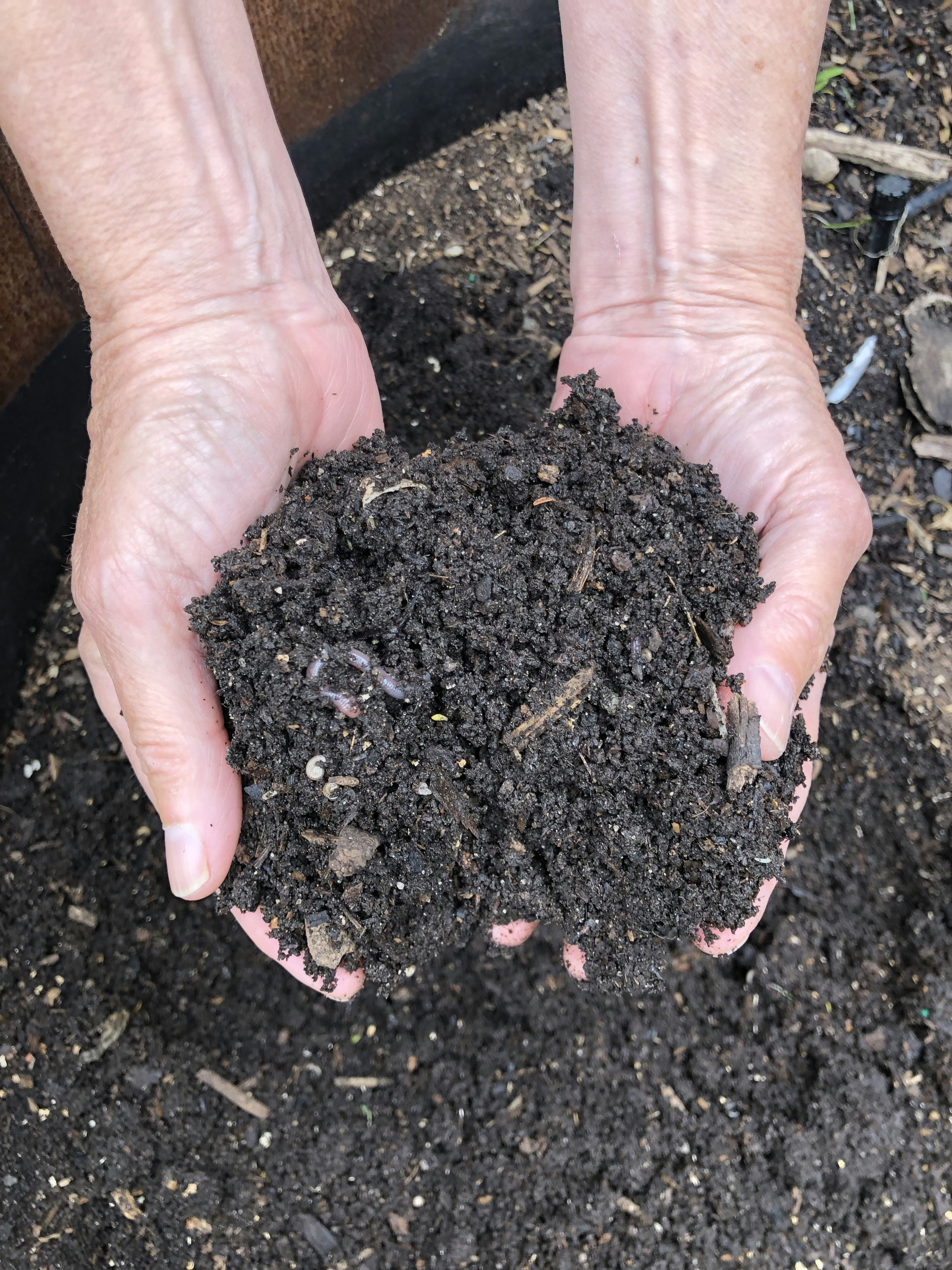
Rhizome divisions pressed into wet red earth
Before the first rains, we split mature root crowns by hand and press each division into rows spaced thirty inches apart. The soil here is red laterite — iron-rich, well-draining, still warm from the previous season. Nothing is seeded. Every stalk traces back to a living root we handled ourselves.
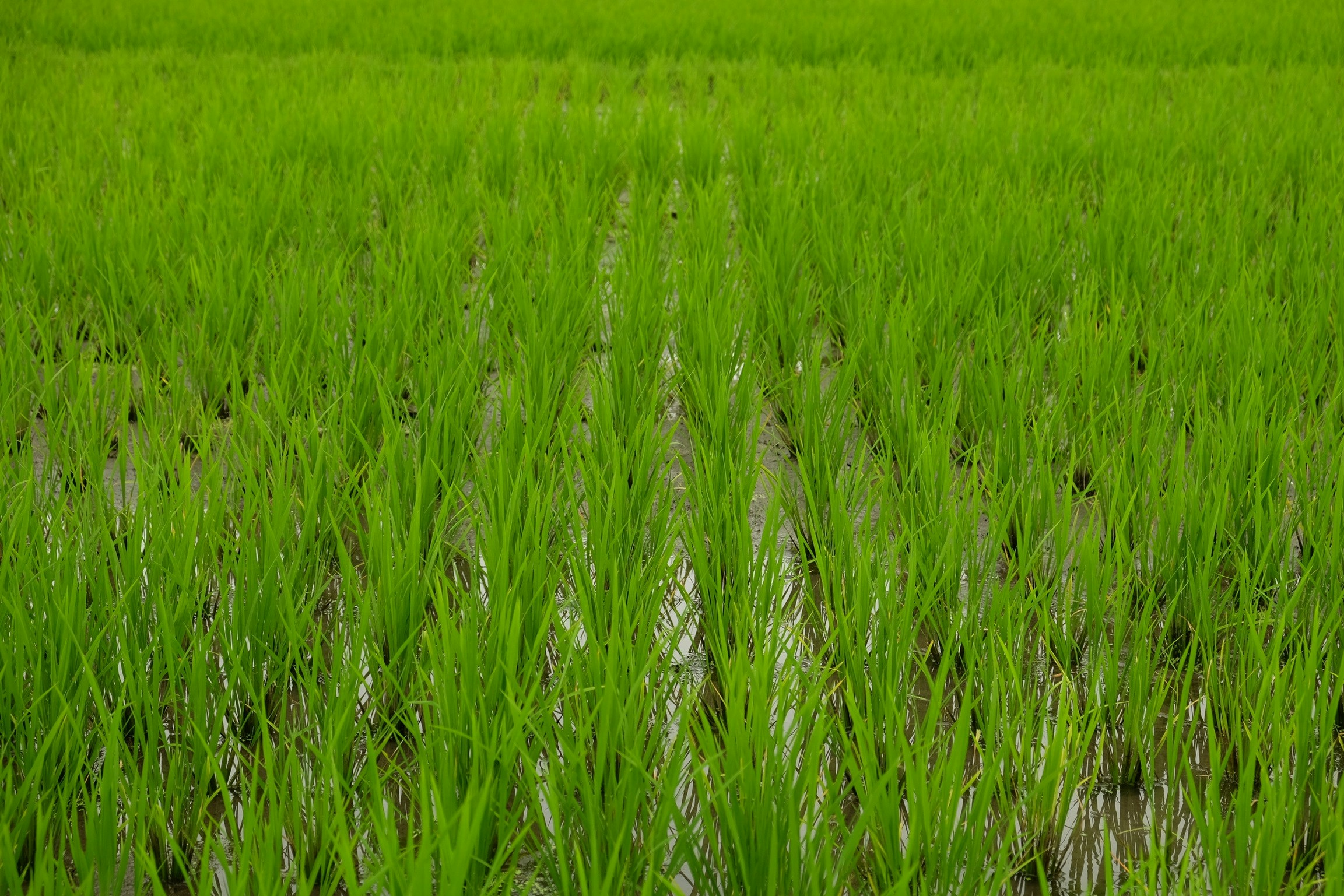
Monsoon arrives. The rows begin to close.
With the first heavy rains, shoots push three to four inches a week. The rows that were bare red dirt become a corridor of thin green blades. We walk them daily, pulling any competitive growth, watching for the characteristic citrus-and-ginger scent that tells us the essential oil content is building in the leaf nodes.
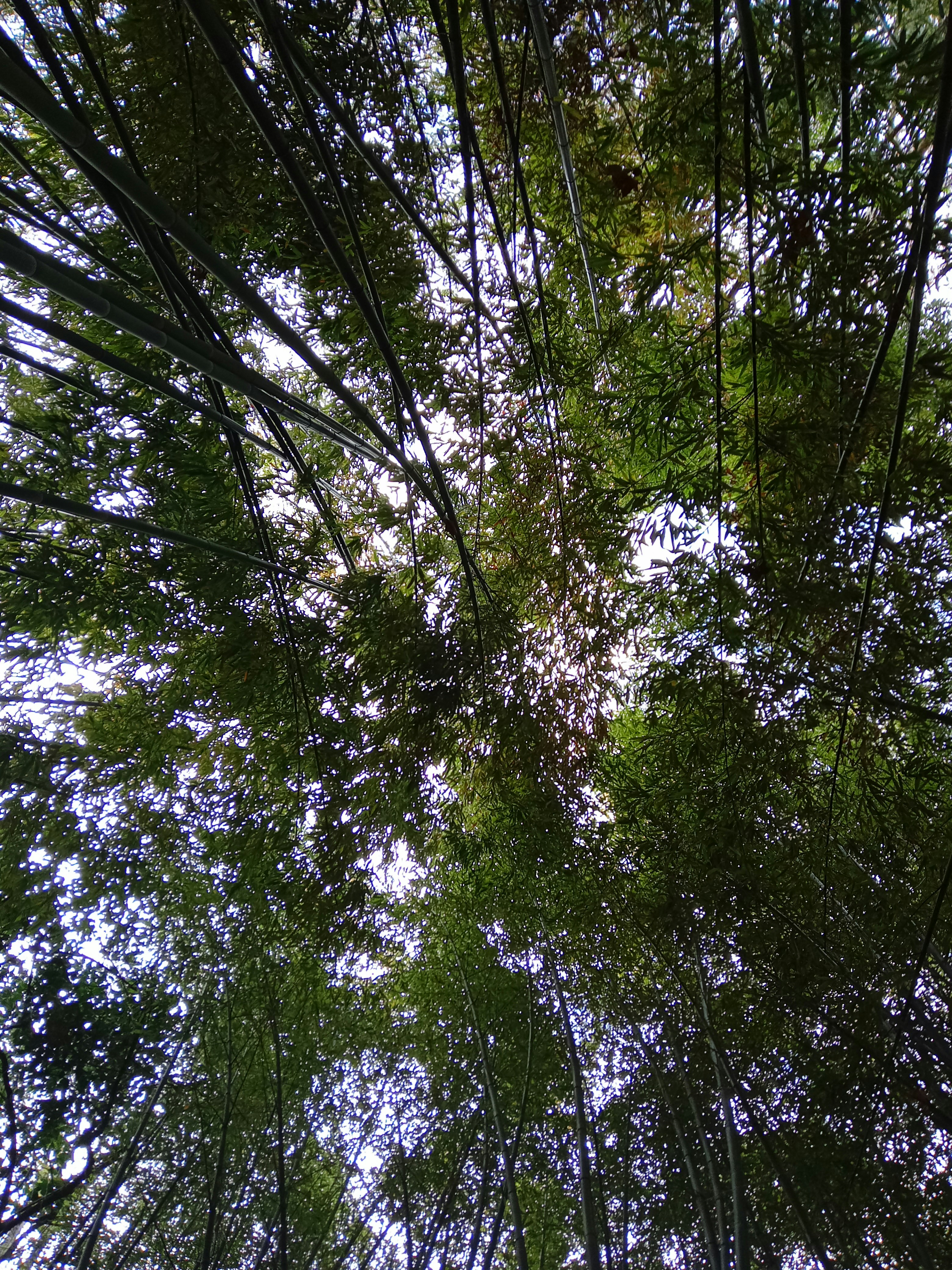
Chest-high and swaying. The field is alive.
By week twenty the stalks have reached five to six feet. Walking between rows means parting a wall of green. The lower leaves have yellowed and dried against the base — that is normal, that is harvest-ready. The upper canopy catches any breeze and the whole acre moves in waves. The oil content peaks in the weeks just before we cut.
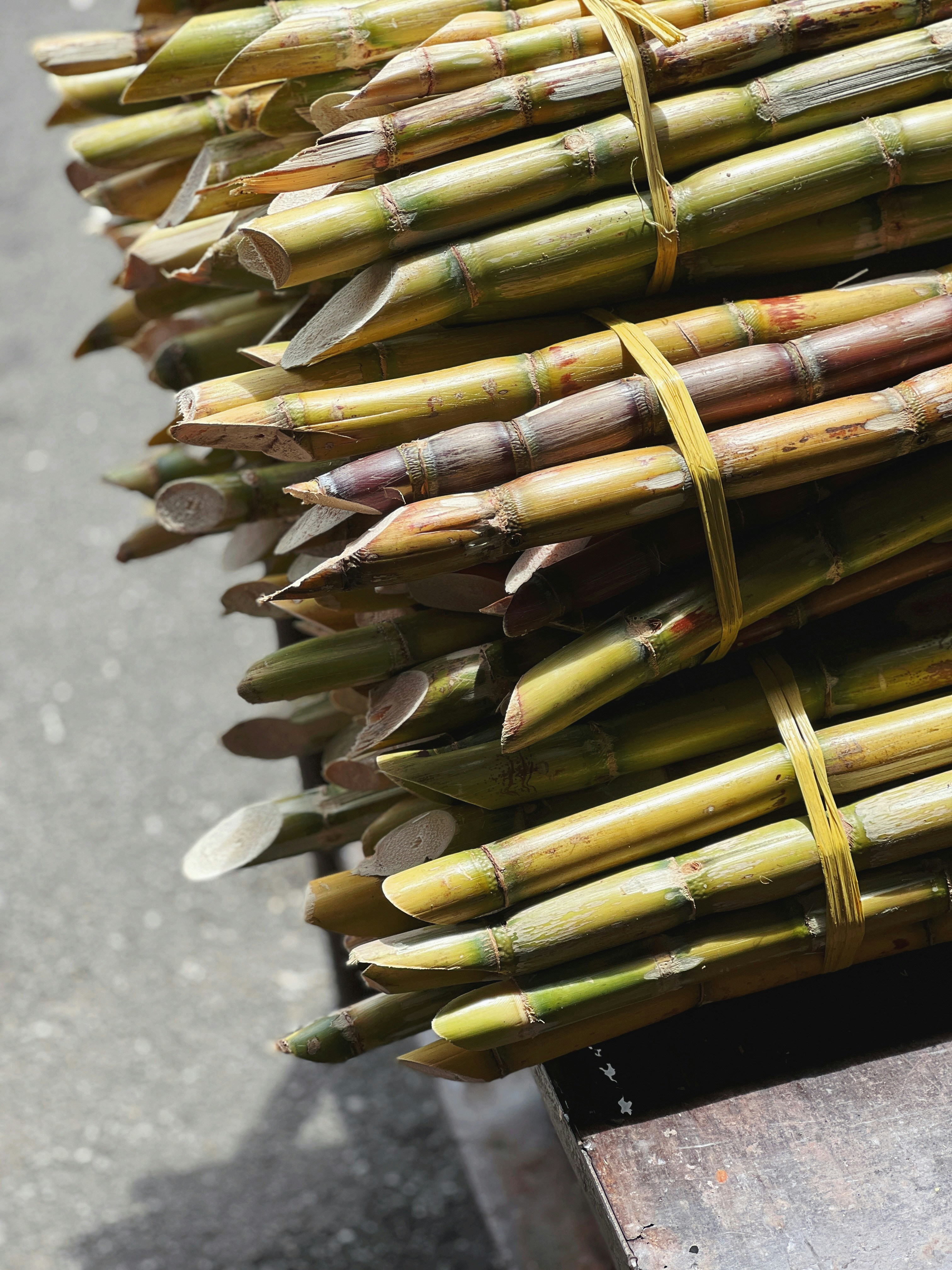
Cut by hand while the dew is still on the leaf
We start before first light. Stalks are cut at the base with a single stroke, bundled in groups of twelve, and bound with palm-leaf twine while still cool. By the time the sun clears the canopy the bundles are in cold-chain transport. Your order leaves the farm the same morning it was cut. There is no warehouse, no holding room, no delay.
Three kinds of buyer.
One standard of supply.
Farm-to-table restaurant buyers
You source aromatics by the case and you know the difference between lemongrass cut this morning and lemongrass that spent a week in a distribution center. We supply restaurants in weekly standing orders — the harvest schedule is planned around your service calendar.
Small-batch skincare formulators
Essential oil feedstock with documented provenance. You need to know the harvest date, the field block, and the oil content percentage before you commit to a batch. We supply that data with every order — a chain of custody you can show your customers.
Wellness brands & herbalists
Transparent supply chains you can photograph. If your brand story depends on showing your customers where the ingredients come from, we can put you in the field. We welcome visits. We want you to see the rows, meet the workers, and understand the soil.
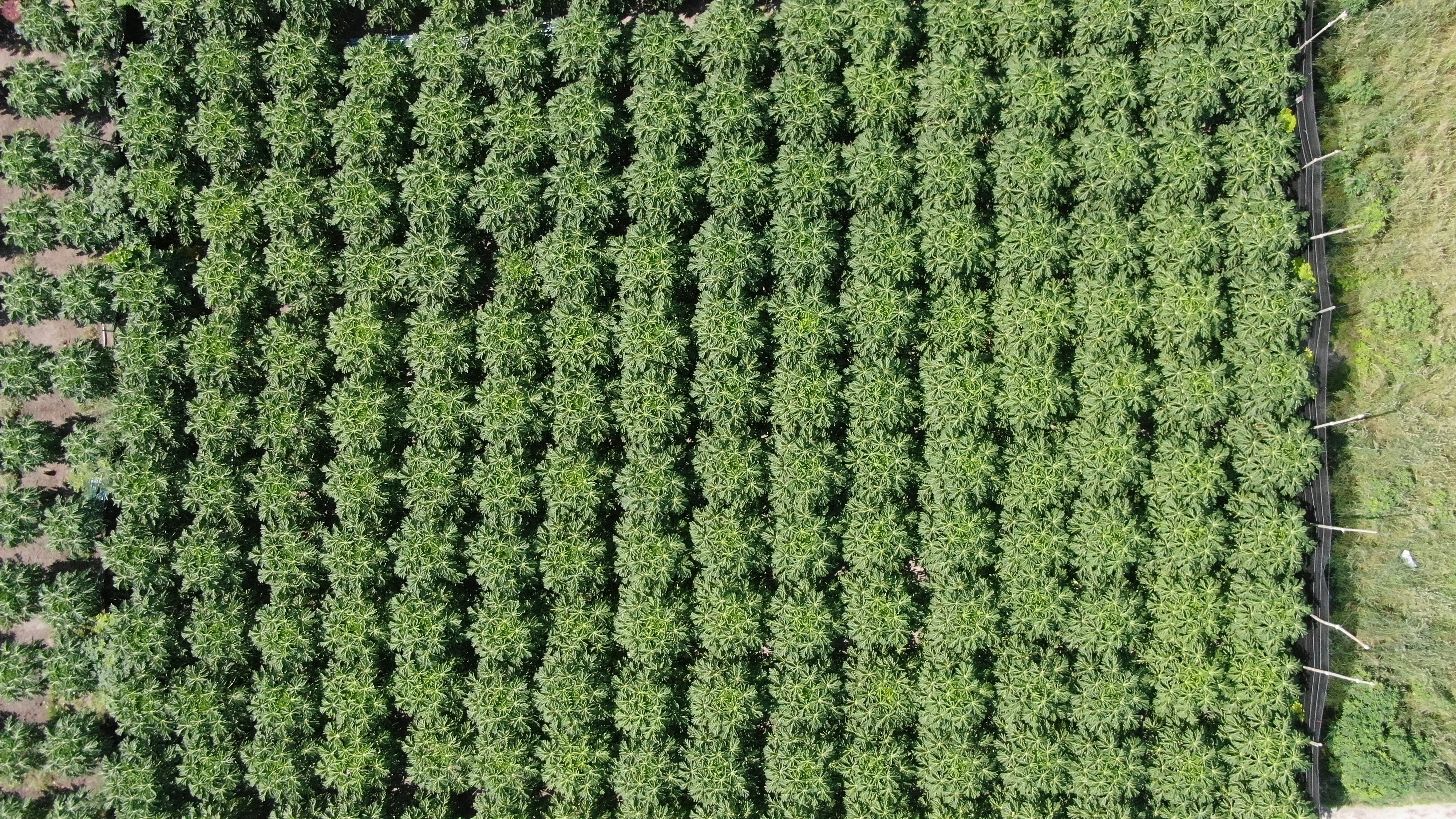
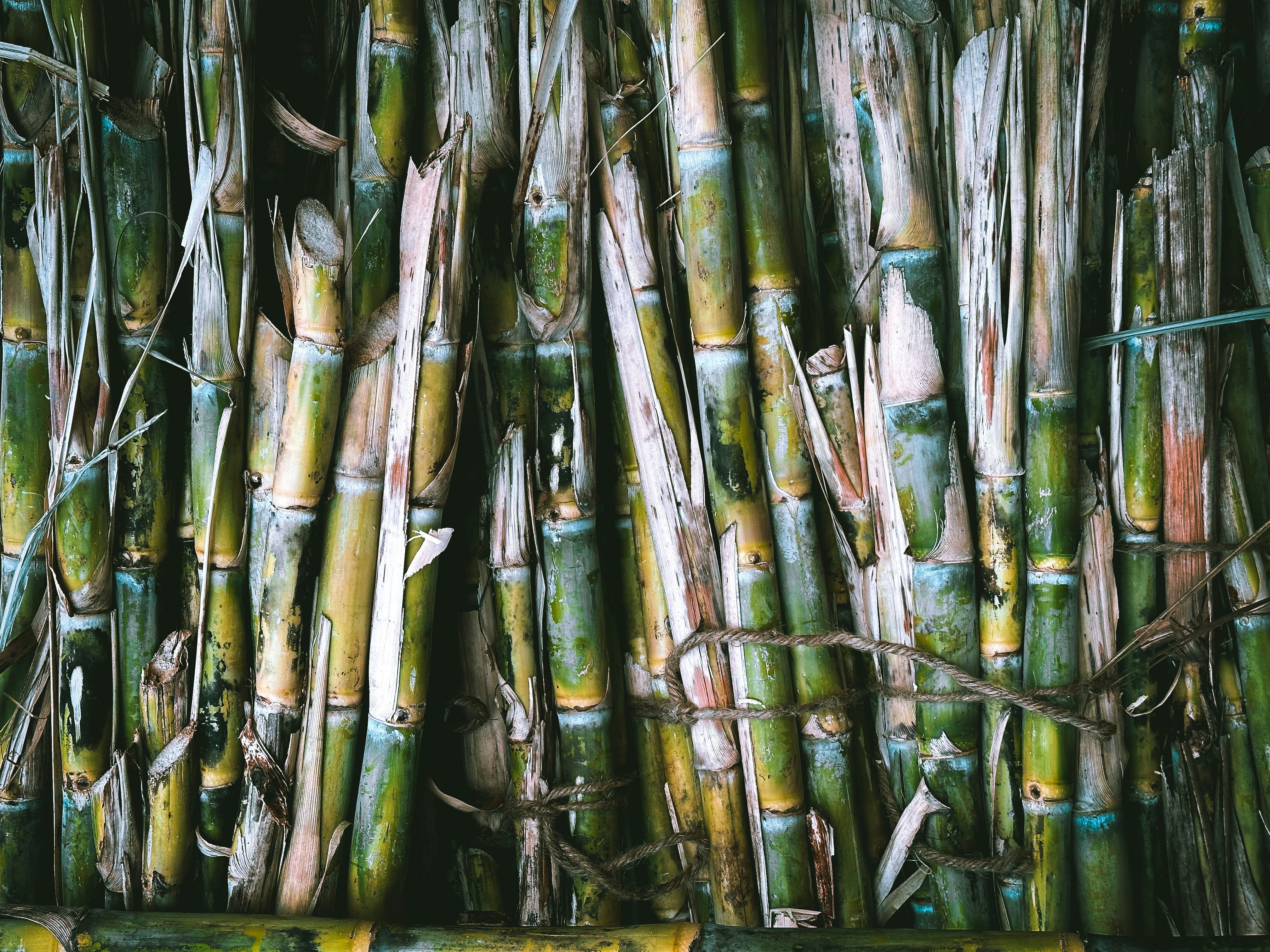
One farm. One field. Every bundle traceable to the row it came from.
We grow on ten acres of red laterite hillside in a single continuous block. There is no blending with outside supply, no gap-filling from other farms during low seasons. When we run short, we tell you.
Each order ships with a harvest record: field block, cut date, weather conditions, and the estimated essential oil content of that batch. If you need to show your customers where their ingredients came from, we give you everything you need to do that honestly.
Request a Harvest Schedule
Tell us about your business and what you need. We will send you our upcoming harvest calendar with available volumes and lead times.